GRAND RAPIDS & SURROUNDING COMMUNITIES
Water damage
cleanup help.
Grand Rapids, MI.
Connect with independent contractors for basement water removal and drying after leaks, burst pipes or sump pump failure. Call to discuss availability and assessment fees.
Call for water damage helpConnect with independent service contractors.
Availability and service charges vary.
01 / HELP FOR WHAT HAPPENED
Big mess.
One clear next step.
Different causes. The same priority:
getting the water out and understanding
what your home needs next.
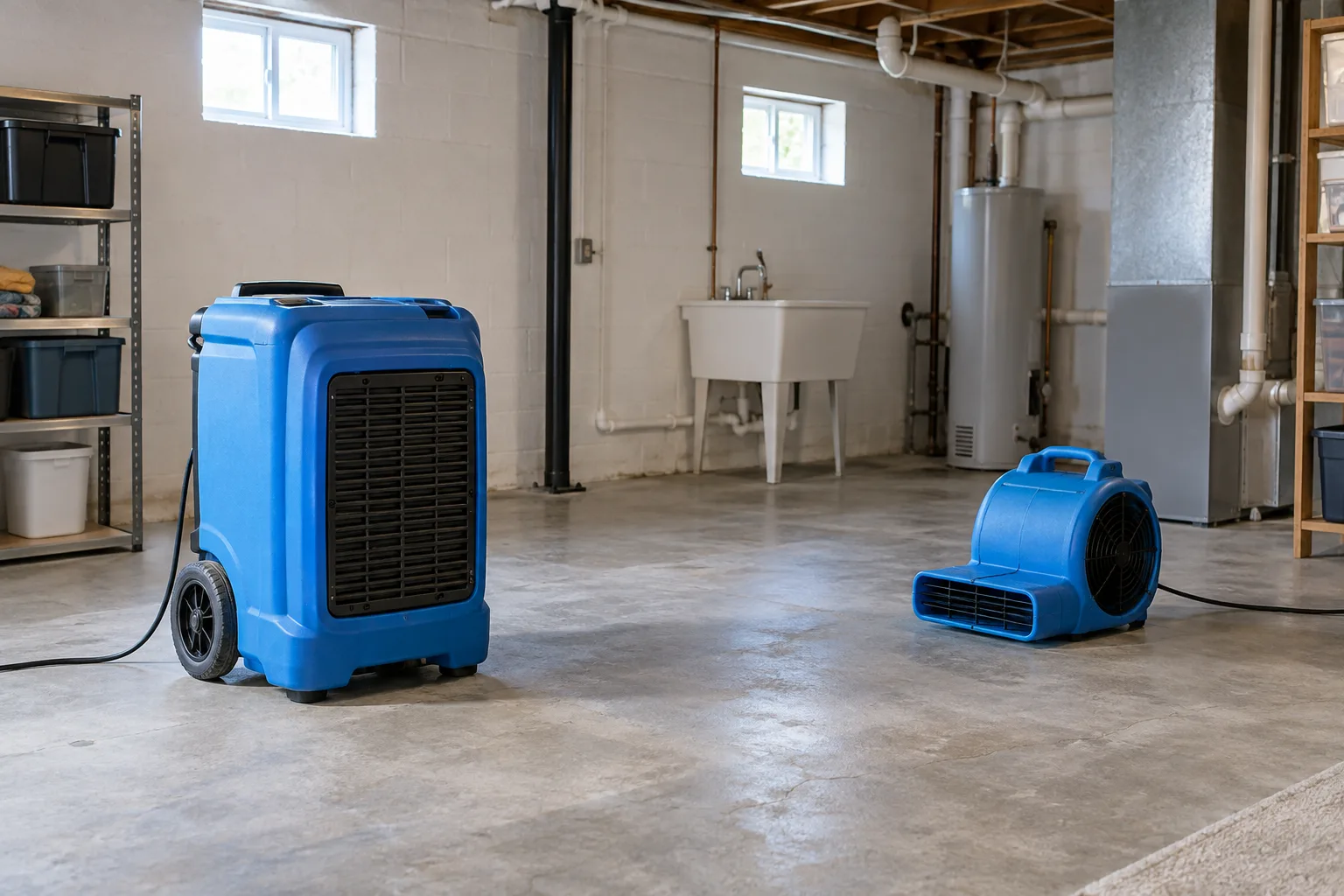
Basement flood cleanup
Standing water in a basement can affect flooring, belongings and finished walls.
Explore this serviceEmergency water removal
Get a clearer next step when water spreads through your home.
Explore this service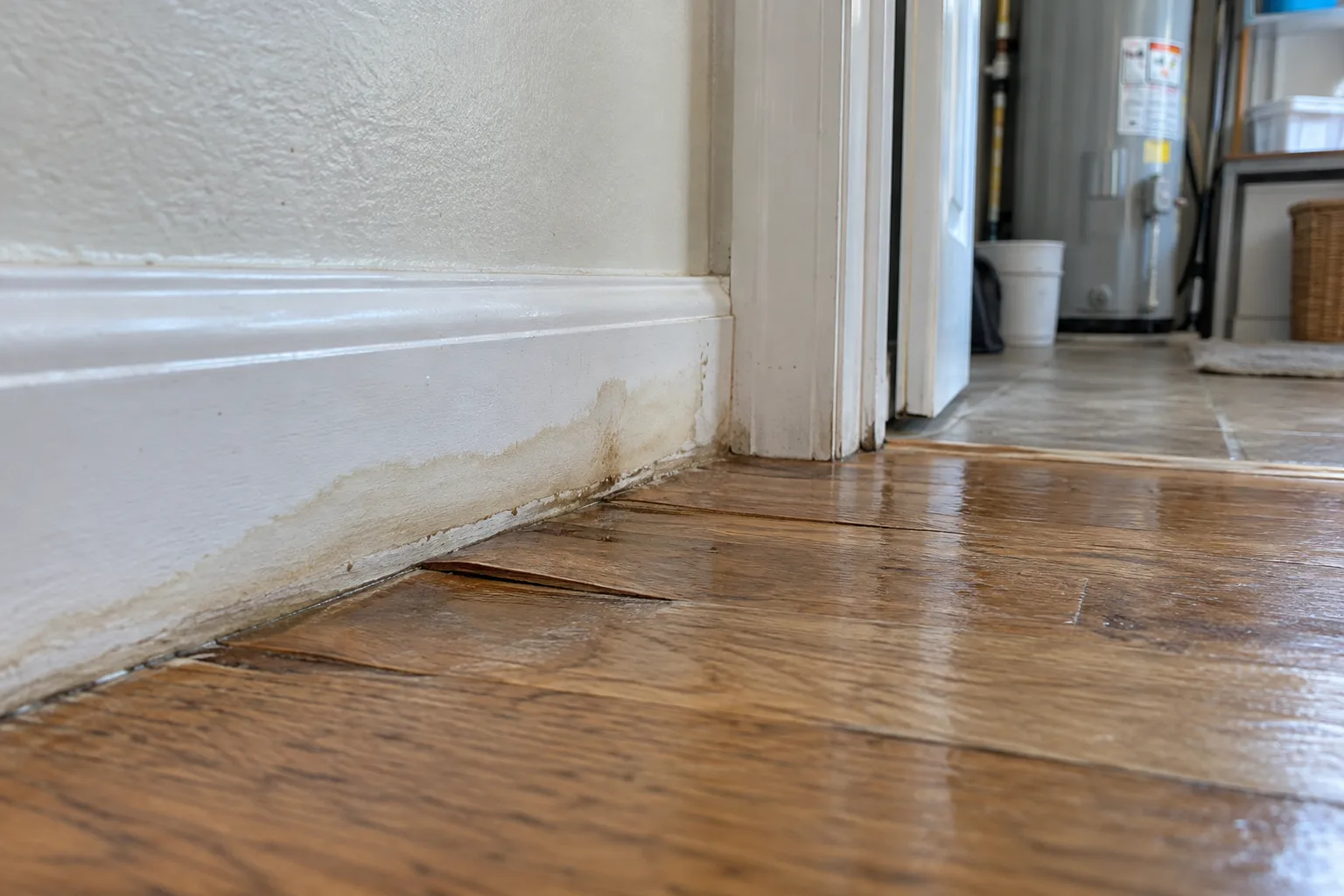
Burst pipe water damage cleanup
Find cleanup help for wet floors, ceilings and walls after a pipe leak.
Explore this serviceSump pump failure cleanup
Discuss removal and drying after a sump pump stops working.
Explore this serviceService images are AI-generated illustrations.
02 / FROM OVERWHELMED TO INFORMED
You don’t need
all the answers.
Just a place to start.
We help homeowners connect with independent contractors. You choose who to hire and approve the work.
Let’s talk about your homeTell us what happened
Call with your ZIP, the source of the water and the affected rooms. Mention whether water is still entering.
Discuss the next steps
Ask about contractor availability, assessment fees and whether the service fits your situation.
Choose with confidence
Verify the contractor’s license and insurance. Review the written scope and pricing before authorizing work.
03 / CLOSE TO HOME
Greater Grand Rapids.
A focused service area.
Local information starts with the right location. Explore our covered postal areas and confirm availability when you call.
Is your home in our area?
Check your 5-digit ZIP. No personal details needed.
Coverage list updated September 13, 2026. Availability may change.04 / BEFORE YOU CALL
Good questions.
Clear answers.
Understand the service before taking the next step.
Concerned about mold or a musty smell?+
Tell the call recipient about any visible growth or odor and ask whether a qualified mold specialist is available. This website lists water cleanup services; mold inspection, testing and remediation availability has not been confirmed. Do not assume these services are included.
Are you the company doing the restoration?+
No. WaterDamageHelp is a contractor connection service. Independent contractors assess properties, set prices and perform work. You choose and verify the contractor you hire.
Is the estimate or assessment free?+
Do not assume an assessment or estimate is free. Ask about any visit, inspection, estimate or service charges before booking.
Can someone come today?+
Availability depends on your ZIP, the contractor’s schedule and the situation. Call to ask about current availability. We do not guarantee an arrival time.
Do you repair plumbing or install sump pumps?+
This site focuses on cleanup and drying after water damage. Plumbing repairs, pump replacement and waterproofing may require separate specialists.
What should I have ready when I call?+
Your property ZIP, the water source, affected rooms, whether water is still entering and whether you can authorize work.
Will insurance cover the work?+
Coverage depends on your policy and the cause of damage. Contact your insurer and ask the contractor about documentation and billing. Coverage is not guaranteed.