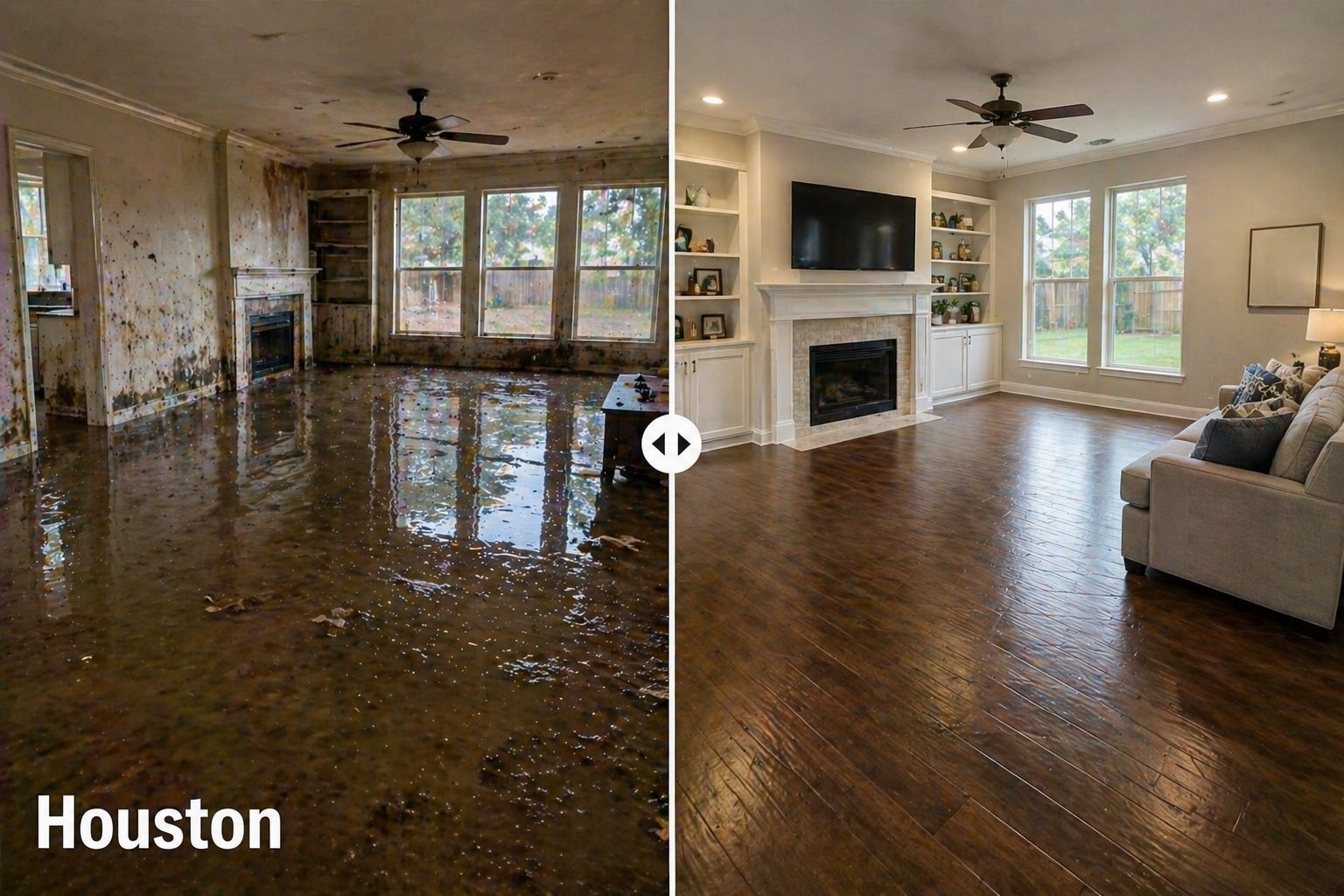
City
Houston, TX Damage Pattern
Local page focused on hurricane flooding and standing water in living spaces.
Local guide for hurricane flooding and standing water in living spaces, wet materials, drying, cleanup decisions, contractor questions, and related mold prevention steps.
Local guide for hurricane flooding and standing water in living spaces, wet materials, drying, cleanup decisions, contractor questions, and related mold prevention steps.
Local page focused on hurricane flooding and standing water in living spaces.
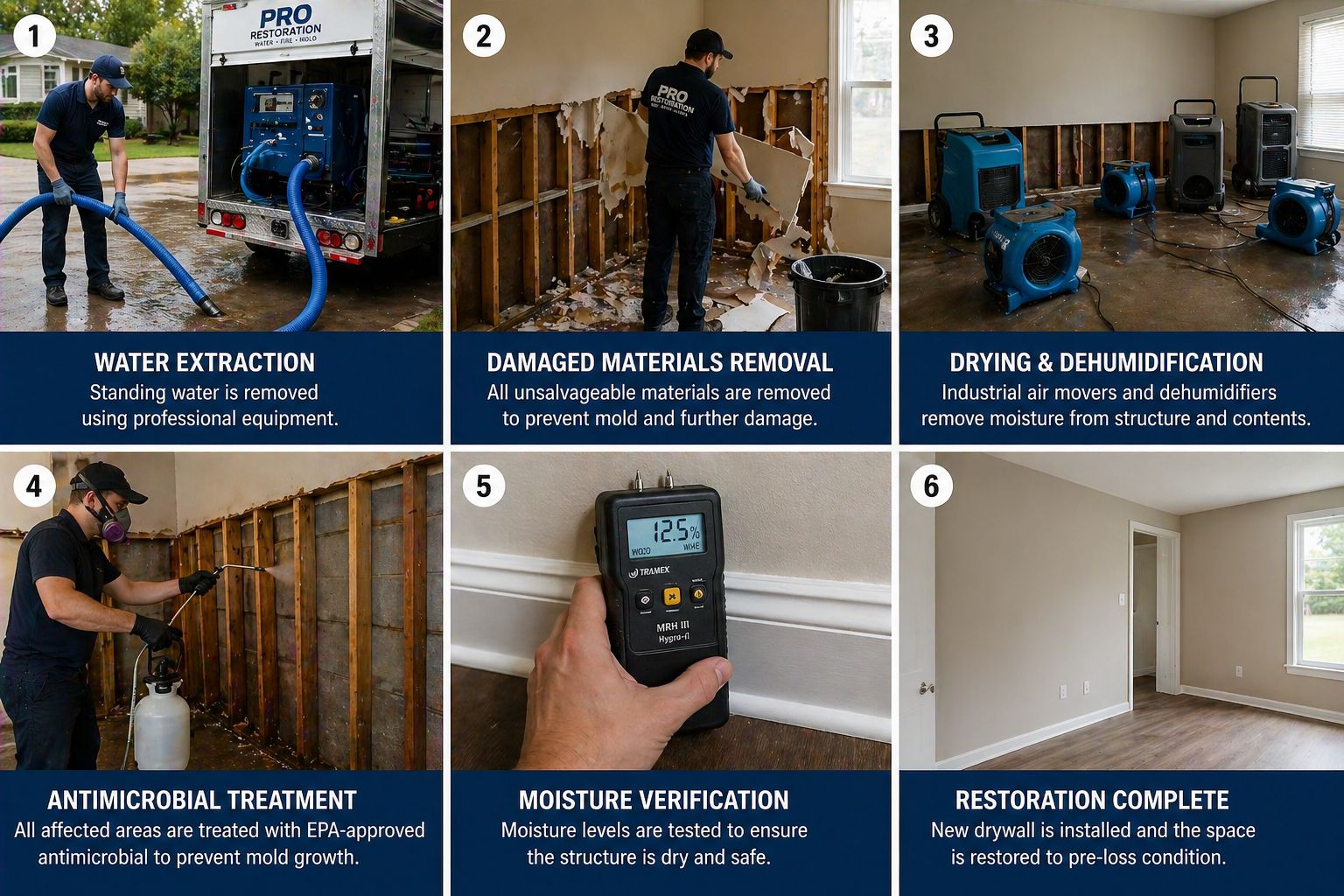
Remove water, map moisture, dry affected materials, and document progress.
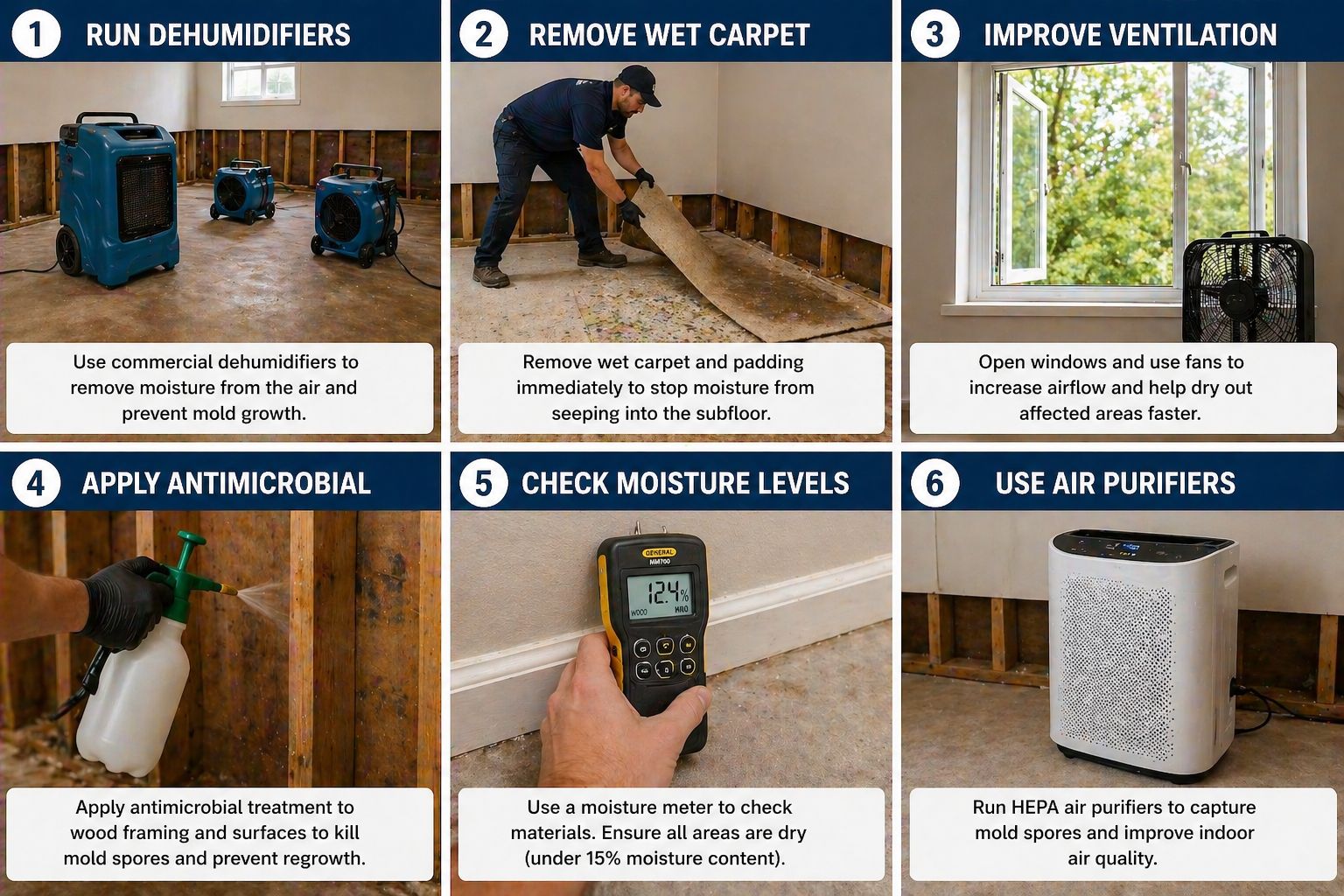
Humidity, delayed drying, and porous materials can raise mold risk after water damage.
Local restoration pages should explain the specific weather, housing, and moisture patterns that make the city different from a generic national service page. For Houston, TX, the focus is hurricane flooding and standing water in living spaces. Common contributing factors include hurricane rain, street flooding, plumbing failures, roof leaks, and humidity-driven drying delays.
Houston projects often involve heavy rain, slab leaks, roof leaks, and standing water that reaches flooring, lower drywall, cabinets, and insulation. Humidity control matters because rooms can feel dry while cavities and trim stay damp.
Before repairs, confirm whether drywall is firm or soft, whether flooring edges are cupping, whether trim is swelling, whether cabinets smell musty, and whether hidden spaces need moisture readings. The goal is not only to make the room look clean, but to prevent trapped moisture, odor, mold growth, and repeat repairs.
This section is written for people comparing visible damage with real restoration scope: drying, removal, odor control, mold prevention, and documentation.
Check below the visible stain, along baseboards, under flooring edges, inside vanity and kitchen cabinets, behind wet trim, around windows, and on the opposite side of shared walls. Moisture can travel through drywall seams, insulation, carpet pad, subfloor gaps, and cabinet toe-kicks.
Non-porous materials may clean and dry well. Porous materials need closer review. Carpet pad, wet insulation, swollen particle board, crumbling drywall, contaminated materials, and mold-affected porous surfaces often require removal before rebuild.
For insurance and contractor estimates, take wide photos, close-ups, water-line photos, source photos, wet contents, serial numbers, and material damage. Photograph before moving items when it is safe, then keep notes about timing, odor, visible growth, and cleanup actions.
The right sequence reduces confusion: source control, documentation, removal decisions, drying, cleaning, verification, and repair planning.
The visible stain is only a clue. Moisture should be checked around the source, below the source, along baseboards, behind cabinets, and under flooring where water may have traveled.
Carpet pad, insulation, swollen particle board, contaminated materials, and crumbling drywall often need removal because they hold water and can affect odor or mold risk.
Drying should be verified before cosmetic repairs. Painting over wet drywall or closing a damp wall cavity can make the finished repair fail later.
Every restoration decision depends on material condition, contamination risk, and how long the material stayed wet.
The affected area is small, the material is firm, the moisture source is fixed, and there is no spreading odor, soft drywall, or visible mold growth.
Drywall crumbles, flooring buckles, insulation is wet, cabinets swell, sewage is involved, or mold appears on porous materials.
Take wide shots, close-ups, water-level photos, material photos, damaged contents, and appliance serial numbers. Keep notes about timing and source.
Good contractor questions make the project clearer and reduce misunderstandings.
These answers are written for homeowners comparing visible damage with cleanup scope.
No. Staining is a clue, but moisture can travel behind walls, under flooring, into trim, and inside cabinets. Material condition and moisture readings matter.
Surface drying can be misleading. Porous materials may remain damp inside, especially drywall, carpet pad, insulation, and cabinet bases.
Mold should be considered when materials stayed wet, there is musty odor, visible growth, recurring staining, poor ventilation, or hidden moisture.
Photograph the room, source, water path, affected materials, contents, serial numbers, and close-ups before moving items when it is safe.
Use these related pages to compare photos, cleanup steps, mold risk, cost factors, and local restoration guides.
Use these internal links to compare damage types, repair scope, costs, mold risk, and local cleanup pages.
Use the photos, city pages, and cleanup guides to prepare clear questions before contacting a local independent contractor.